Welcome

From the first to the seventh sin, the sphere of creativity moves back and forth—east and west, left and right, above and below.

Lorem ipsum dolor sit amet, consectetur adipiscing elit. Ut elit tellus, luctus nec ullamcorper mattis, pulvinar dapibus leo. Lorem ipsum dolor sit amet, consectetur adipiscing elit. Ut elit tellus, luctus nec ullamcorper mattis, pulvinar dapibus leo.

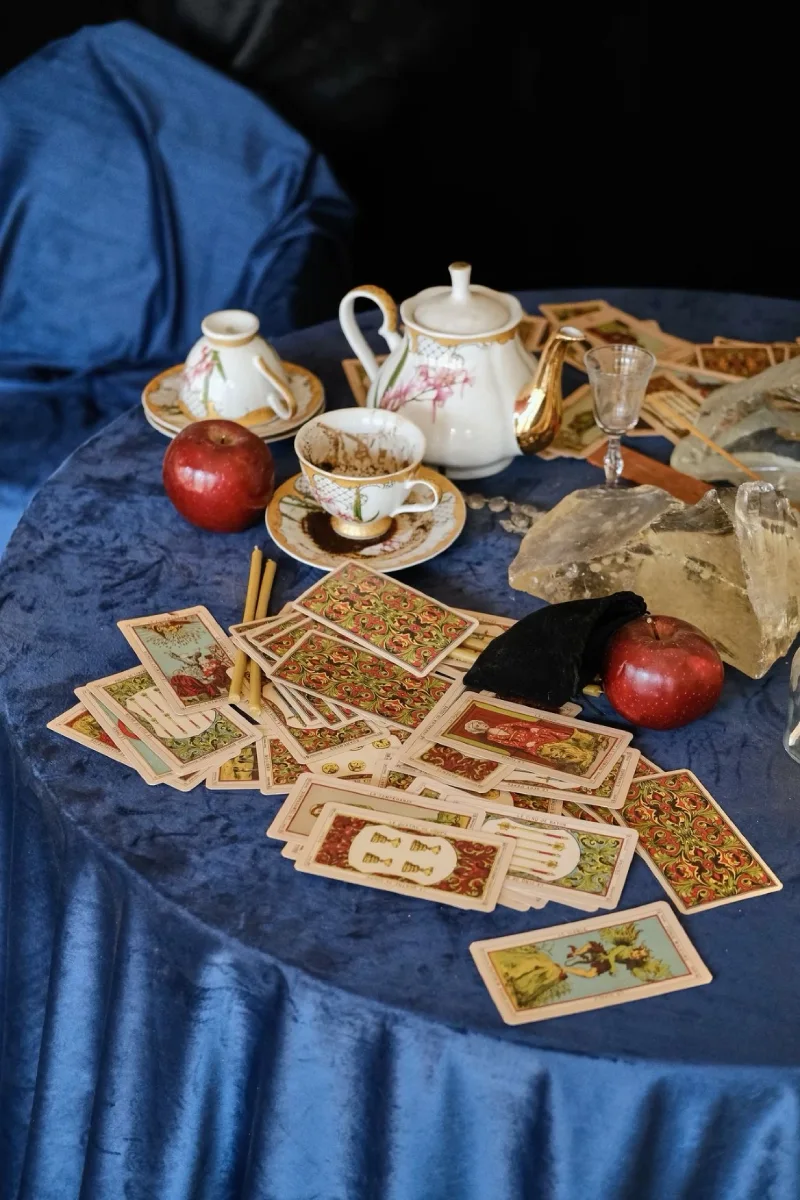
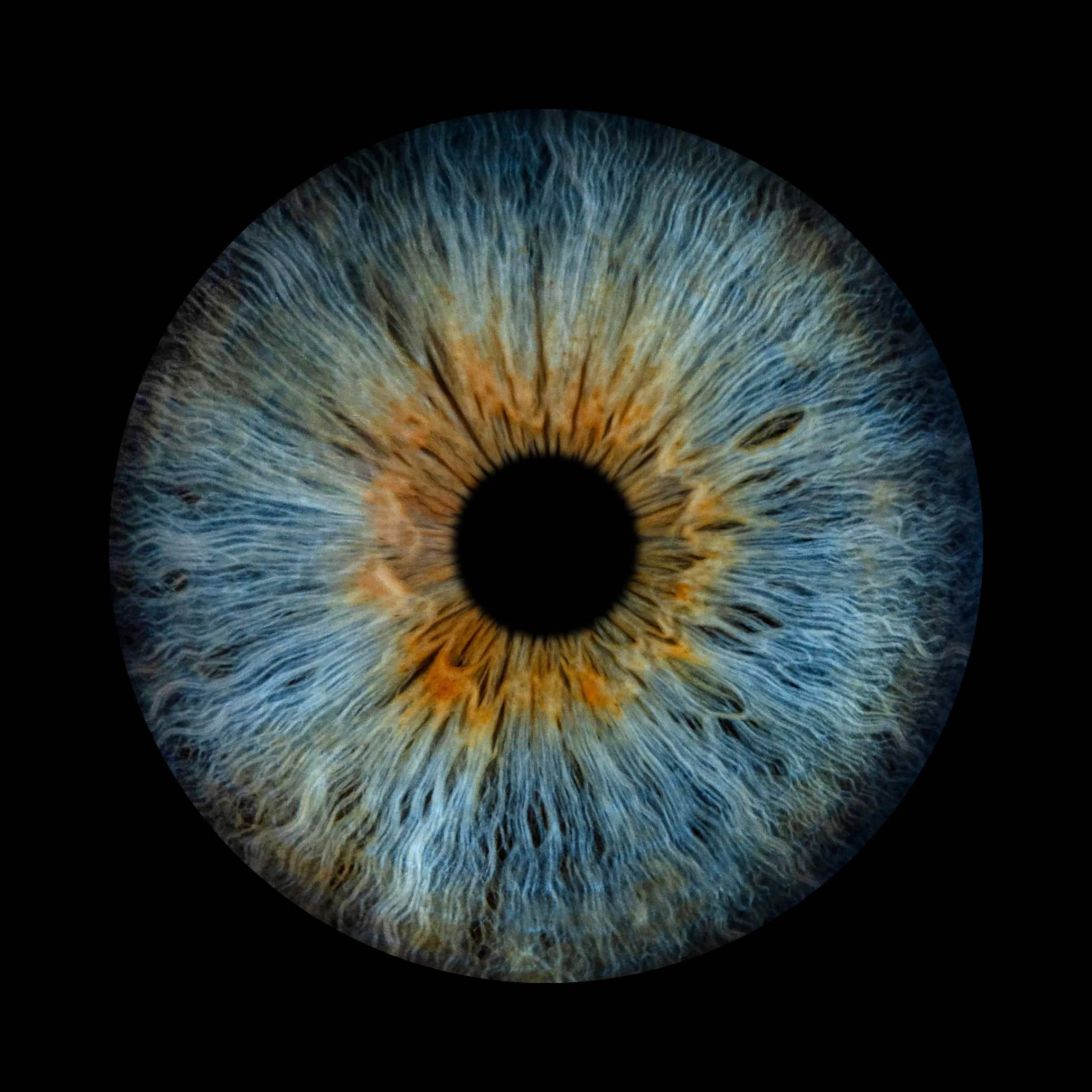
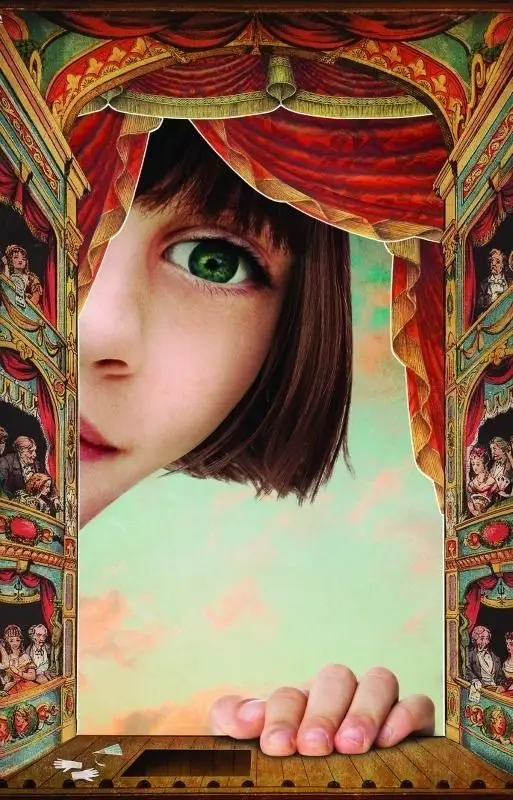
Towards the Theatre - a bitten apple falls into the black hole surrounded by my iris. It rolls across the stage, treating the black hole like a carousel.

“I don’t really see the theatre,” I tell it.

“You don’t go to theatre shows often,” a person offers.

“No, I do. I just don’t really see it.”

“Do you want to see the theatre?” a white rabbit offers.

“Do you want to see a theatre?” a black rabbit offers.

I can’t look at both at the same time.

I can’t look south and east and north and west, left and right, above and below.

I faint from disorientation

and the red apple is served to me.

The red surrounds the bite. But the bite occupies the red. I see it clearly now - it is a stage. And it is waiting for me.

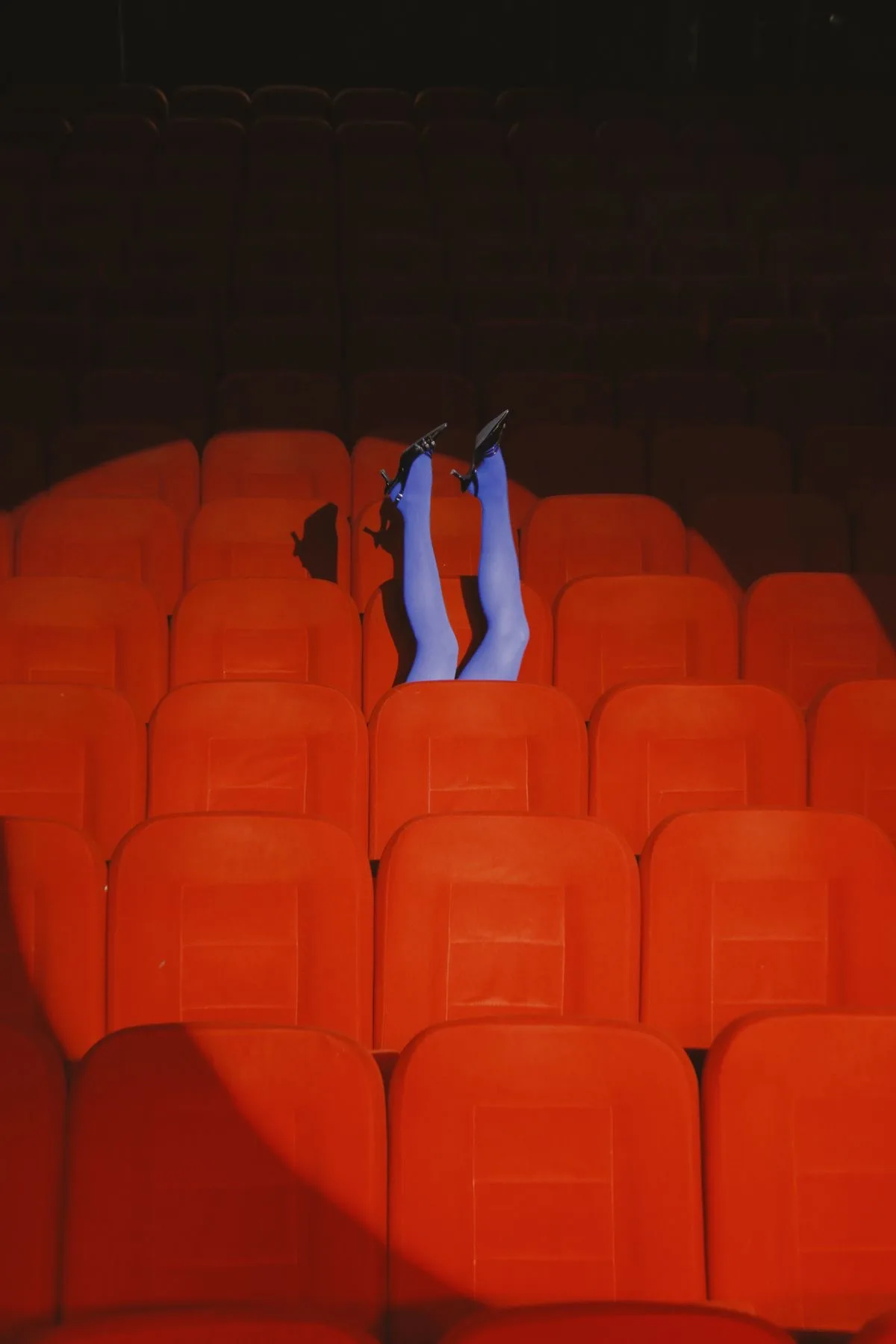
Colors live in the same garret. They go up by white stairs and then wash the world’s feet. Symbolism likes to cross the stage left to right, as if it were a bridge. Sometimes it sits next to you in the audience. At other times it curls up by your sock – and if it really wants to mock you, it takes off your shoes, puts them on itself, and walks toward the stage.

“He has gone to be the guest of a sinner.”

— Luke 19:7

“There is no light except that which emerges out of darkness.”

— Zohar II, 184a

EXCERPT I FROM THE PLAY

Truth was, Alfred did not prefer poetry. He didn’t just dislike it he could barely tolerate it. But Alfred was too in love with access to having what others couldn’t to worry about something as small as taste.


READER 1: “All hope abandon, ye who enter here.”

(Alfred enters indifferently.)

READER 2:

“Lost are we, and are only so far punished,

That without hope we live on in desire.”

(He leans on a white pillar, while standing in the shadow.

Crosses his arms.)

READER 3:

“Hell exists from within.”

(Alfred yawns. He is bored.)


He looks around. He notices how fascinated with punishment in the afterlife people around him are. He also notices how he isn’t.


They philosophize about Hell while sitting inside its engine room.


And he is not necessarily scared. Just the right amount of indifference to not make room for anything else.


He steps away like how a man does when he truly believes what he is witnessing is not worth his time.
EXCERPT II FROM THE PLAY

He walks with no clear destination, just away from the blocks, following the edge of the camp like a man tracing a border he refuses to cross. At the far end, near a small wooden shed with one crooked door, he hears a steady rhythm: open, close. Open, close. A thin figure stands there, back turned, playing with the door as if it were a toy and a ritual. Alfred slows. From the back, something is off. Her spine doesn’t run straight down; it leans slightly to one side, so every time she swings the crooked door, one shoulder lifts higher than the other. The fabric pulls unevenly across her shoulder blades, stretched over a starved frame so thin that every bone shows. Down her back falls a single thin braid, curving in the opposite direction of her spine, as if even her hair is trying to correct what the world has bent.

ALFRED :

What are you doing?

(Door: open. Close.)

CROOKED GIRL:

Playing.

ALFRED:

You look ridiculous.

CROOKED GIRL:

That’s because you’re watching from the wrong level.

ALFRED:

What level?

CROOKED GIRL:

Consciousness.

I open and close until it shifts.

(Door: open. Close.)

CROOKED GIRL:

When it does, my imagination takes me somewhere else.

New life. New identity.

ALFRED::

You think a door can do that?

CROOKED GIRL:

Not the door.

ALFRED:

Move. You sound stupid.

CROOKED GIRL:

You sound stuck.

(She lets the door hang half-open, steps aside, and passes him without looking up.)

CROOKED GIRL:

Go on then.

Maybe you’ll land somewhere better.

EXCERPT III FROM THE PLAY

SETTING:

Alfred grabs the door, angry. Nobody craves an identity shift more than he does. He remembers the sight of his people and realizes he despises belonging to the losing side. He opens the door in anger. Closes it in desperation. Those two movements give birth to a third. He opens the door again-and Mephisto smiles back.


MEPHISTO:

That took you long enough.

(Alfred freezes, one hand still on the handle.)

ALFRED:

Who are you?

MEPHISTO:

You knock four times on a door and then ask who answers?

That’s impolite.

ALFRED:

This 1s…

This is my mind.

MEPHISTO:

Of course it is.

Where else would 1 meet you?

Citizens sleep on the border between the light and dark squares of the chessboard. There is also a vast ocean which people return to when they need to cry or give birth. It spills over the edge of the board as a living monument to the limitless nature of our imaginary world.


Wars are fought with ideas and words while people stand motionless, face to face. When the conflict has fed enough of their souls, they rest on the needle of a compass — these are their homes.


Ideas are the currency. Here, you do not pay to exist — you contribute a thought. The only beggars are those who refuse to imagine.


Citizenship requires eye contact with yourself: if you cannot face your own gaze, you are not yet fit to share a city. This is why mirrors are encouraged on every step, as well as reflections in water and glass.


Switching shoes switches identities and lives. You obtain shoes from the local shoemaker and pay him with an idea. You cannot wear the same shoes for more than thirty-three days; you must try a new identity.

I walk down a narrow corridor and see a flyer-Circus of Freaks. “Difference is never wasted here,” Van Gogh’s ear whispers into mine. “And normal does not get the applause,” it whispers into the other. “I am only here for inspiration for my plays,” I try to whisper back, almost sheepishly-but it is already gone.

The oldest Western bargain — the pact with the devil — is staged inside my iris.

This theater is a magical zoo where the most enduring ideas of Western literature — a pact with the devil — are observed on the stage inside my iris.

This theater also serves as Iskra Mandic’s personal writing portfolio.

The Seven Faustian Plays

If the play becomes your mime, tame it. Control it. This is your theater - a forever long spectacle of perception. Swallow your own shadow.

Time and space do not hold any authority in this theater. Colors are the ones who take your ticket and return your hat when the show ends. The only edible thing in this theater is symbolsim.

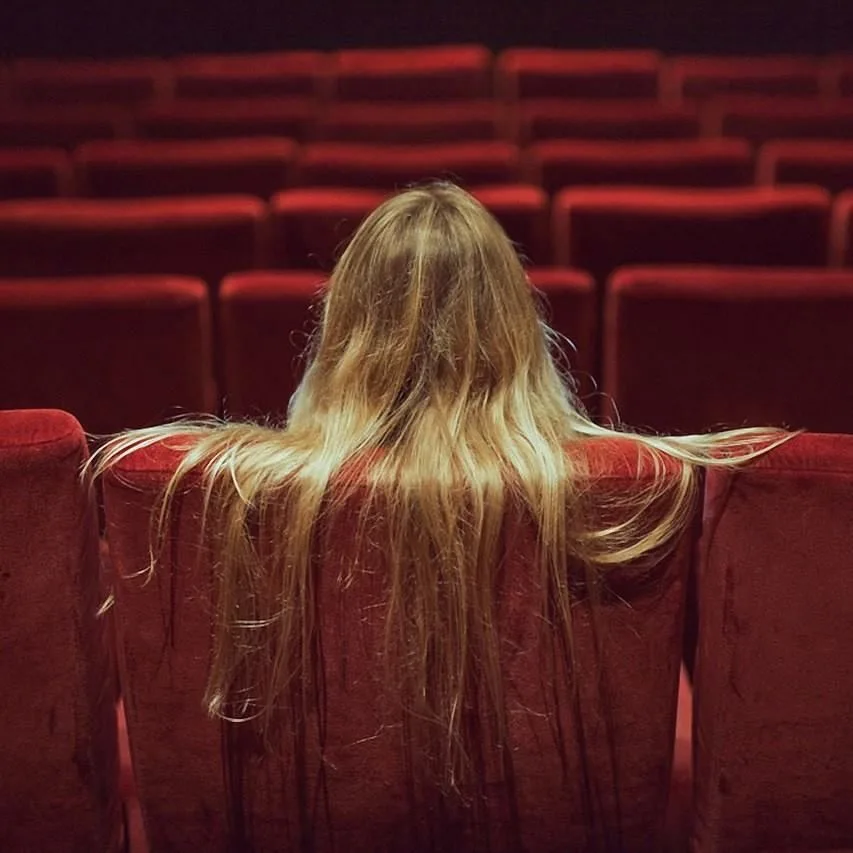
The seat is designed for watching, not for being seen You don’t have to face the stage directly. The stage finds its way to you.

It is very important that you take a seat that gives you the most perspective. Even more important is that you can see above the seat in front of you. Your eyes must remain on the stage, and in moments when the stage becomes more of a mirror than a platform, it is acceptable to close one eye.

My Writing

Screenshot 2026-01-28 at 12.29
Read More
Screenshot 2026-01-28 at 12.29
Read More
image - 2026-01-29T203121
Read More